
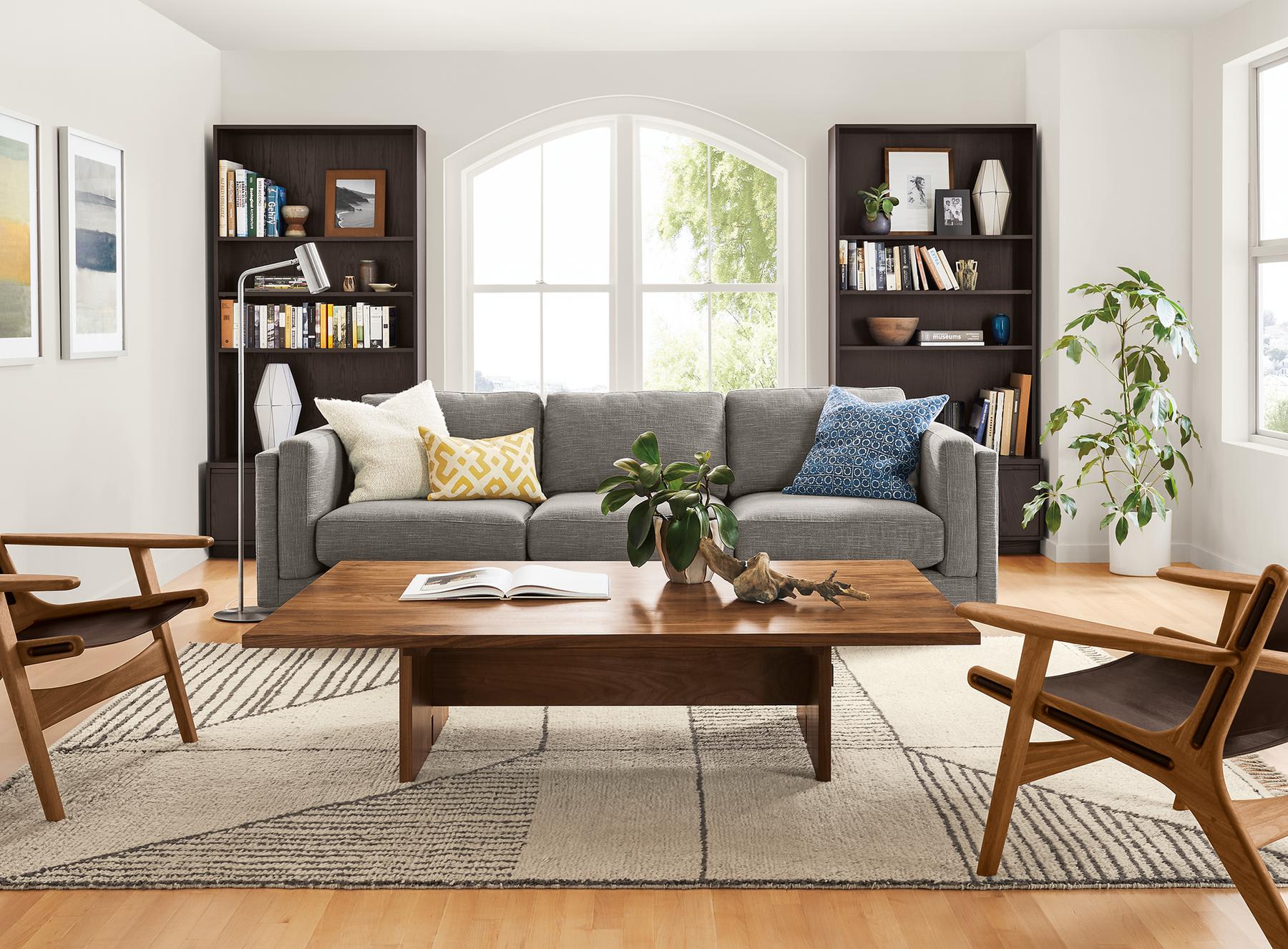

Interior design in 2026 is finally moving away from one-size-fits-all aesthetics and toward homes that feel warm, layered, and deeply personal. Rather than chasing fleeting trends, homeowners are investing in timeless design choices that add character, tell a story, and create spaces that feel lived in.
Whether you're renovating your forever home or preparing to sell, these three trends are defining the next generation of interior design.
1. Mixing Wood Tones
For years, perfectly matching wood finishes dominated interior design. Today, designers are embracing a more relaxed approach by layering different wood tones throughout a space. Whether it's pairing walnut furniture with white oak flooring or incorporating reclaimed wood alongside lighter finishes, mixing wood tones creates a home that feels curated instead of overly coordinated.

Why It's Trending
Mixing wood tones is emerging as one of the standout interior design trends of 2026, as homeowners move away from the idea that every wood finish needs to match perfectly. Today’s designs are embracing a new perfect with layered, personalized spaces that feel warm, collected, and full of character. What makes this trend so appealing is its ability to add personality without overwhelming a space.
Thankfully, the growing range of available wood materials has made this approach easier than ever. Light woods can be paired with rich walnut or deeper finishes, warm wood tones can be balanced with cooler shades, and smooth, refined grains can complement rustic, textured surfaces. When thoughtfully combined, these variations work together to create interiors that feel intentional and inviting. This is especially impactful in open-concept layouts, where mixing wood tones helps define different areas and prevents a space from feeling flat or repetitive.
Design Tip: Stick to one dominant wood tone and introduce one or two complementary finishes to maintain balance while adding contrast.
2. Going the Extra Tile
Tile is no longer reserved for purely functional spaces. In 2026, homeowners are using bold colors, unique shapes, and patterned designs to turn backsplashes, bathrooms, fireplaces, and even laundry rooms into statement features. Instead of blending into the background, tile is becoming one of the home's biggest design opportunities.

Why It's Trending
Tiles are making a major statement in 2026 as homeowners embrace more personality and creativity in their spaces. Bathrooms, kitchens, and backsplashes are becoming opportunities to experiment with color, pattern, and texture rather than simply serving as functional surfaces. From bold geometric designs and handmade-look finishes to colorful mosaics and unexpected shapes, tile is being used to add character and create memorable focal points throughout the home.
The beauty of decorative tile is its ability to make a big impact without requiring a full room makeover. Even a small accent wall, niche, or backsplash can introduce color and personality while complementing the rest of the home’s design. When paired with natural materials, warm wood tones, or simple cabinetry, statement tiles can create a balanced look that feels both modern and timeless.
Design Tip: Consider using decorative tile in smaller spaces, such as powder rooms or kitchen backsplashes, where it can have maximum visual impact without overwhelming the room.
3. Walls Worth Noticing
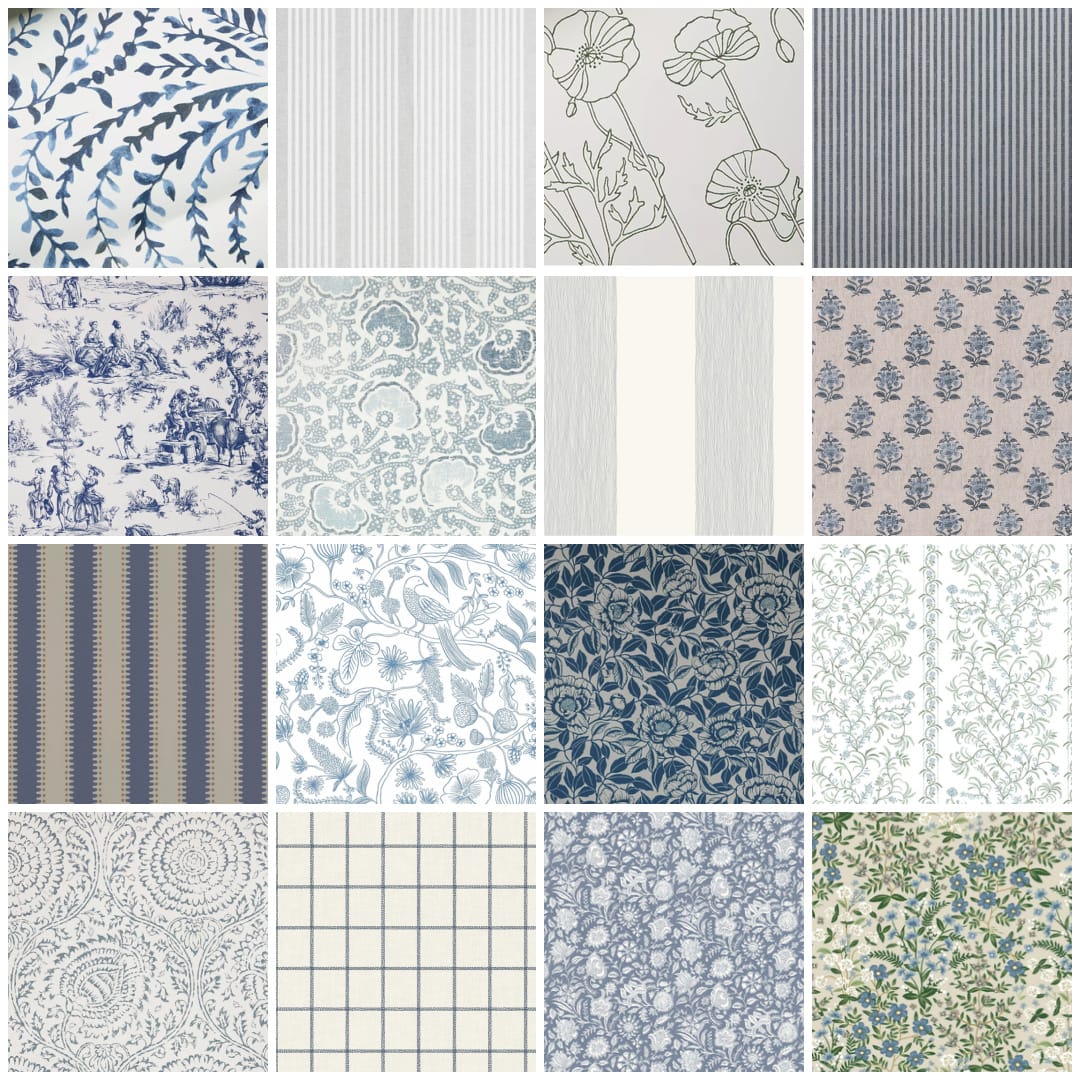
Wallpaper continues its comeback, bringing pattern, texture, and personality into homes in ways paint simply can't.
From subtle grasscloths to bold botanicals and oversized prints, wallpaper adds richness and dimension while helping define the mood of a space.
Why It's Trending
Wallpaper is making a strong comeback in 2026 as homeowners embrace the power of pattern, texture, and personal expression in their interiors. Once viewed as a dated design choice, wallpaper has been reimagined as a stylish way to add depth, character, and a sense of storytelling to a room. Rather than simply covering walls, today’s wallpaper designs are becoming statement features that help define the overall mood and personality of a space.
Designers are incorporating a variety of wallpaper styles, from bold botanical prints and soft mural-inspired designs to textured grasscloth, subtle micro-patterns, and finishes that mimic natural materials like linen, plaster, and stone. One of the reasons this trend continues to grow is its versatility. Wallpaper can transform an entire room, but it can also be used in smaller, more unexpected ways. Accent walls, powder rooms, home offices, and even framed wallpaper panels allow homeowners to experiment with pattern while keeping the overall design balanced. Framed wallpaper is especially popular for those who want the impact of a bold print with a more minimal and flexible approach.
Modern wallpaper options have also made this trend more accessible than ever. Removable, peel-and-stick, and eco-friendly wallpapers give homeowners the freedom to explore different styles without the commitment of traditional installations. Whether used to create a dramatic focal point or add subtle texture, wallpaper is proving to be one of the most creative and impactful design trends of 2026.
Design Tip: Accent walls remain popular, but wallpapering an entire powder room, entryway, or dining room can create an unforgettable design statement.
The Future of Home Design
The biggest takeaway from 2026's design trends is simple: homes are becoming more personal.
Instead of striving for perfectly matched finishes or minimalist spaces devoid of personality, homeowners are embracing layered materials, bold details, and intentional design choices that make their homes feel authentic and inviting.
Whether it's mixing wood tones, incorporating statement tile, or adding wallpaper with character, these trends all share one common goal—creating spaces that feel unique to the people who live in them.
If you're considering updates to your home, these timeless trends offer beautiful ways to add value, warmth, and lasting style without following short-lived fads.