
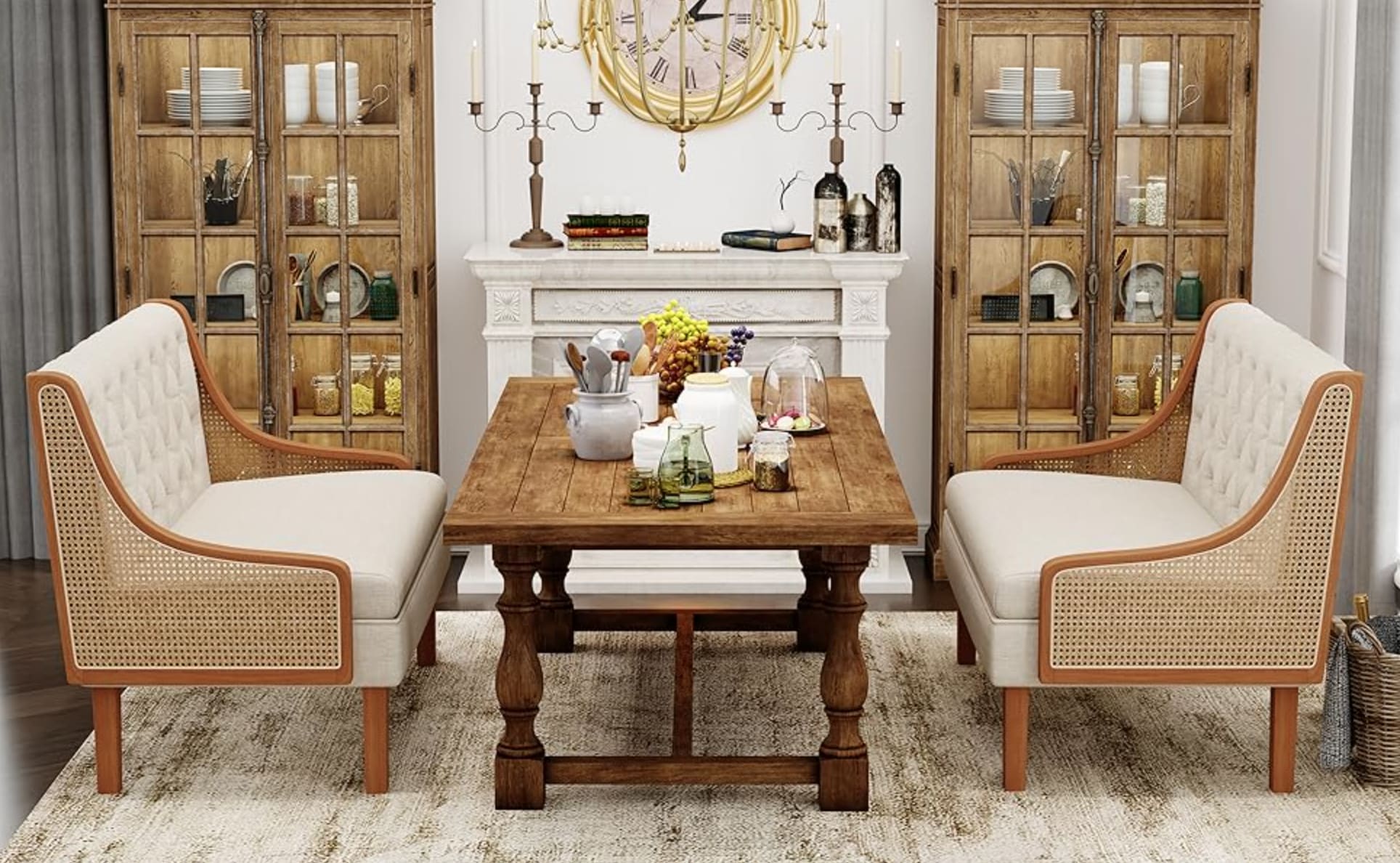
Have you ever noticed how often restaurants use bench seating along their dining tables? That’s not accidental. Bench seating helps create defined dining zones, allows more people to sit comfortably, and keeps spaces feeling open instead of crowded. It’s a design strategy that works just as well in homes — especially today, as more people are living in smaller, more compact spaces.
I’ve always been drawn to smart, intentional design. Growing up in Norway, efficient use of space wasn’t a trend — it was a necessity. Many homes and condos were smaller, and furniture had to work harder. Dining benches and dining sofas were common, especially in kitchens, because they saved space and made the room more functional without sacrificing warmth or style.
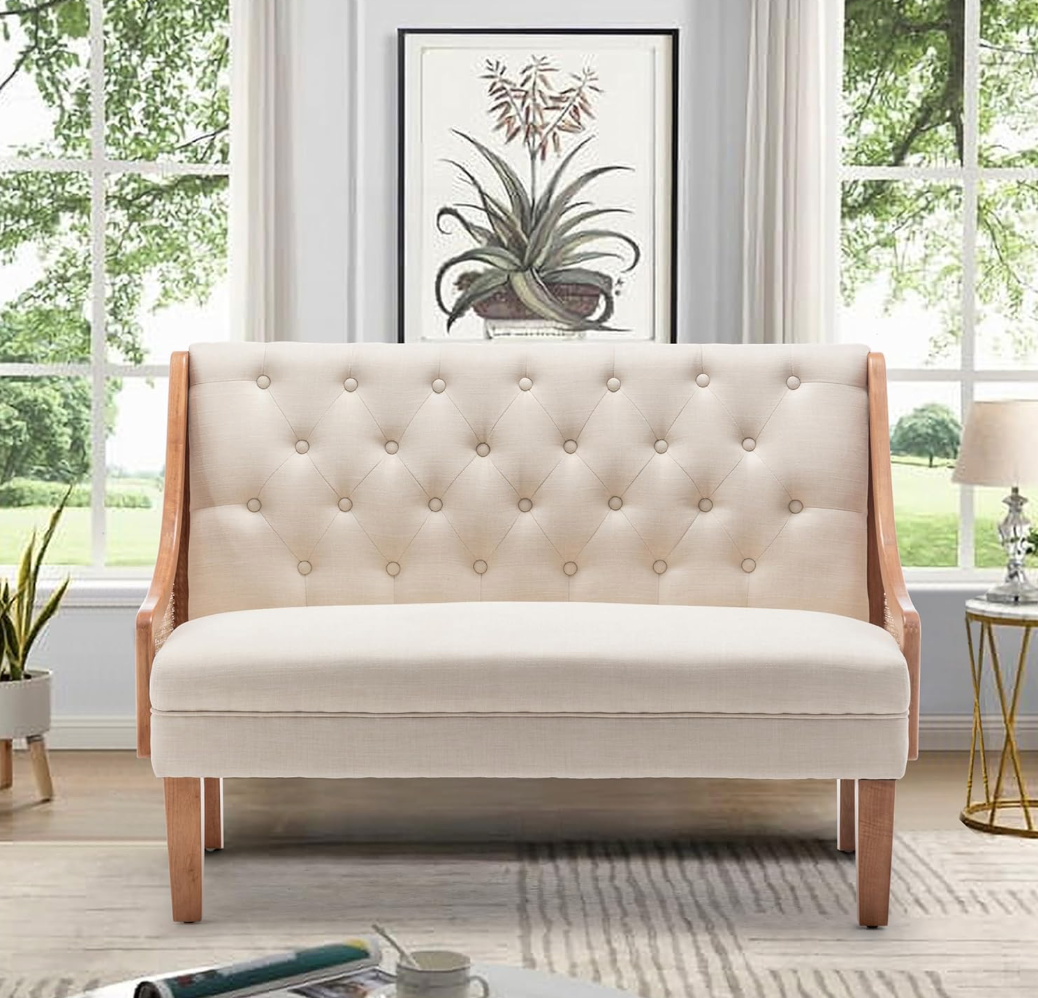 This beautiful dining bench can be found on amazon. I'm a firm believer style and beauty doesn't have to be expensive.
That European approach to space planning has stuck with me. Compared to the U.S., where homes have traditionally been larger, European interiors tend to be more creative with layout and furniture choices. As urban living grows and more people choose city condos and townhomes, I see that mindset becoming increasingly relevant here as well.
Years ago, we purchased a mid-century modern dining sofa for our own dining room. I loved the look and the way it grounded the space, but in hindsight, I would have chosen a design with slimmer arms. Paired with a rectangular dining table, getting in and out wasn’t always easy — a perfect example of how scale and proportion matter just as much as style.

A look into our home, with our beloved Pepper always looking out for when papi is out running, anticipating a nice walk afterwards. This dining bench was purchased from WEST ELM many years ago.
Interior designers love dining benches and banquette seating for good reason. They slide neatly under tables, unlike chairs that require extra clearance, which instantly makes a room feel larger. Benches also seat more people, create a more social and relaxed dining experience, and offer flexibility — they can easily be moved to an entryway or living space when extra seating is needed. Some even include built-in storage, adding function without adding clutter.
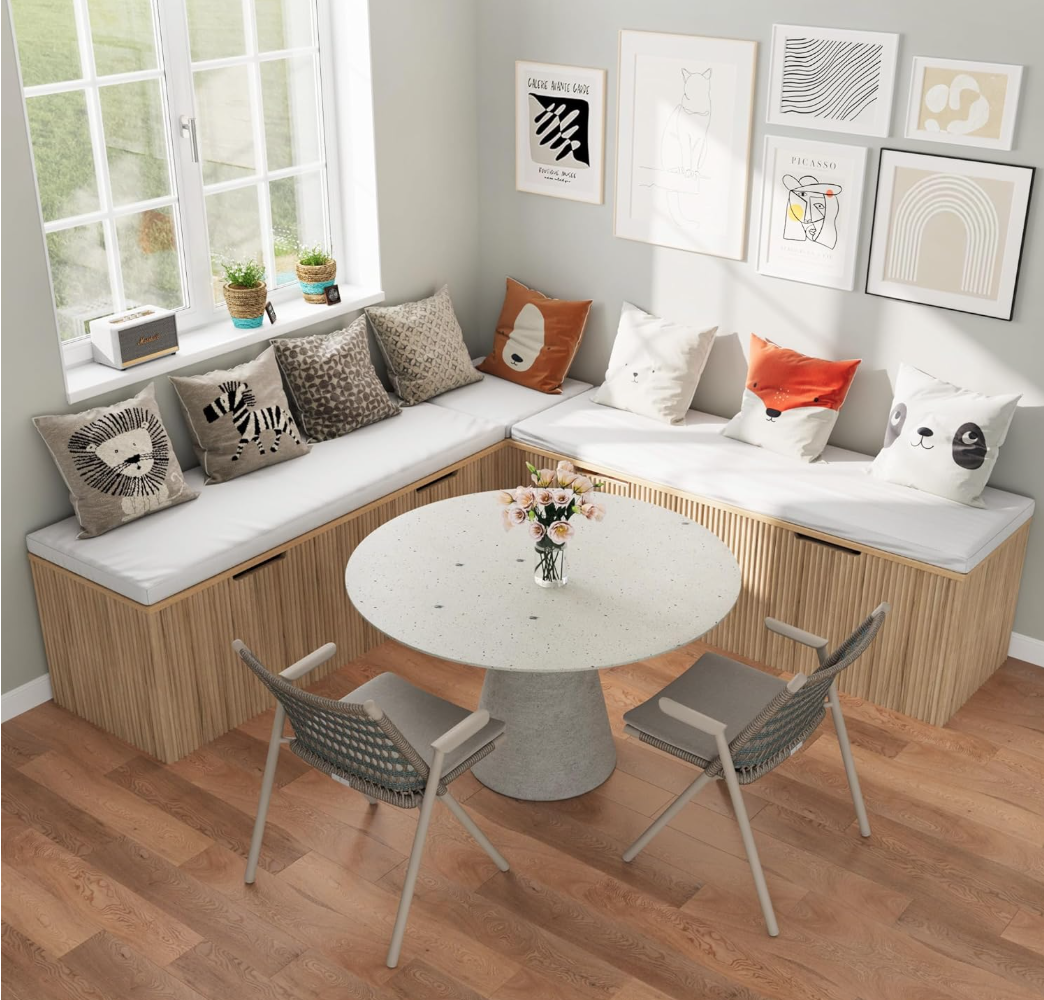 Another Amazon find - combining storage and seating.
When choosing a dining bench, a few design details make all the difference. I always recommend paying attention to height — ideally, the seat should sit about 11–13 inches below the tabletop. Pedestal tables or tables with minimal legs work best, as they allow for better legroom and easier movement. Upholstered benches or those with subtle back support are far more comfortable for longer meals, while overly bulky designs can make a space feel tight.
All of these principles matter not just for living — but for selling.
As a former home stager, I’ve seen firsthand how furniture placement and scale affect a buyer’s perception. Oversized furniture can shrink a room visually, while smart seating choices help showcase space and flow. Dining areas that feel open, functional, and thoughtfully designed photograph better and feel more inviting during showings. Buyers aren’t just looking at square footage — they’re imagining how it feels to live there.
I’m Ina Herrera, Creative Director and former Home Stager on our team. When you work with us, you’ll receive a complimentary design and staging consultation when selling your home. That includes guidance on how to best use your existing furniture, recommendations for small upgrades, and advice on how to present your home so it appeals to today’s buyers — and supports your next chapter as well.
Thoughtful design isn’t just about aesthetics. It’s about making spaces work beautifully — and helping homes sell with confidence.
How To Stretch Your Options, Not Your Budget