
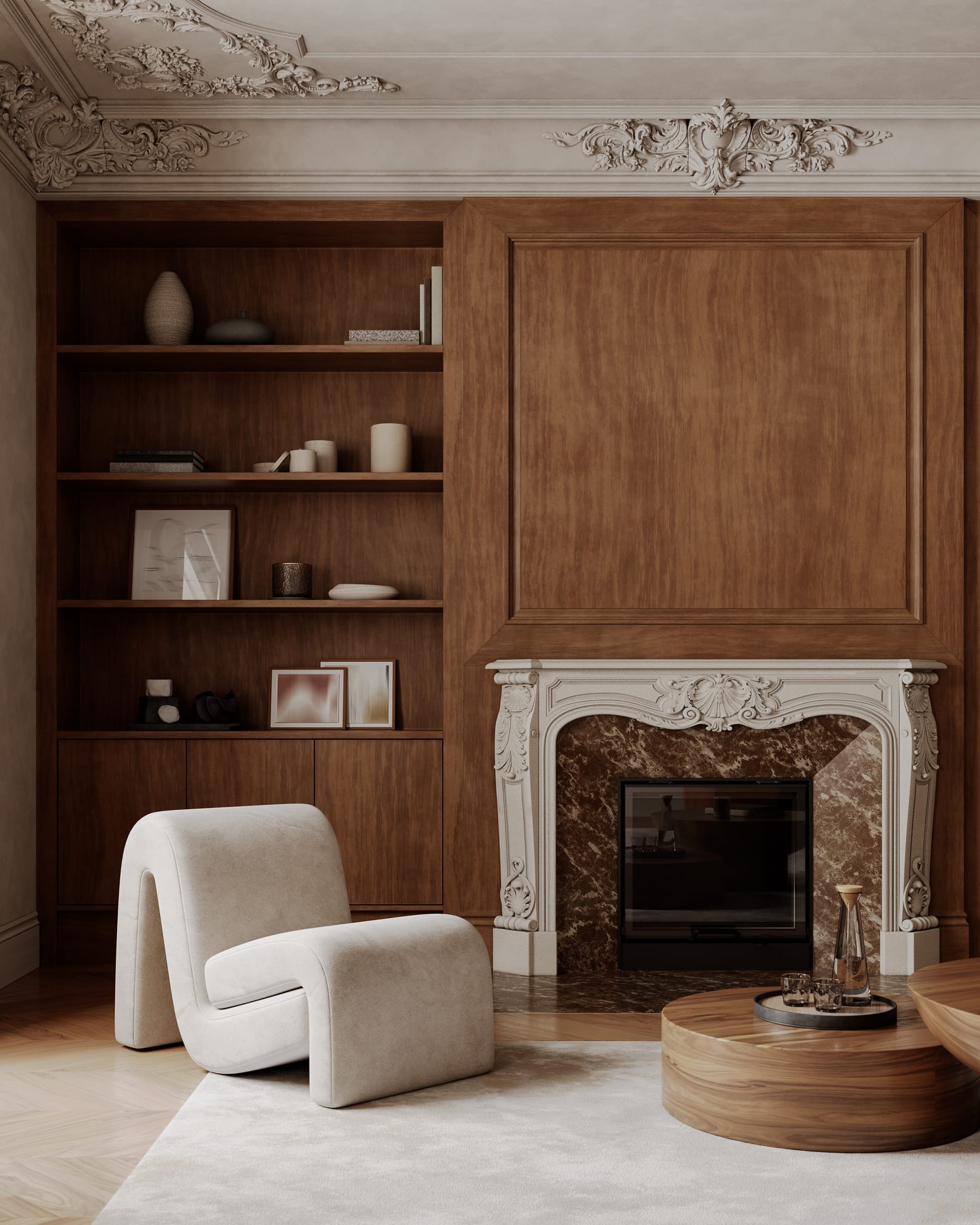
Beyond the Showroom: Giving Your Home a Soul with Vintage Finds
We’ve all seen it: the house that looks like it was delivered in a single shipping container from a big-box furniture store. It’s clean, it’s modern, and honestly, it’s a little soulless. When every piece in a room is brand new and mass-produced, the space can feel more like a waiting room than a home. As we move through 2026, the trend is shifting. Homeowners are realizing that a home should feel collected, not decorated. Here is why you should ditch the "showroom" look and how to hunt for pieces with a past.
The Hidden Cost of "Cheap" New Furniture
It’s tempting to click "buy now" on that $200 dresser online, but "cheap" usually applies to more than just the price tag.
The Quality Gap: Much of today’s mass-market furniture is made of particleboard, MDF, or even hollow plastic. It’s designed to be "fast furniture" meant to look good for a season and then head to a landfill.
The Vintage Strength: Most older furniture was built with solid wood (oak, walnut, cherry) and nice details. These pieces were made to be moved, used, and passed down. They have a "quality" that you just can’t find in most newer boxes.
Avoiding the "Antique Risks"
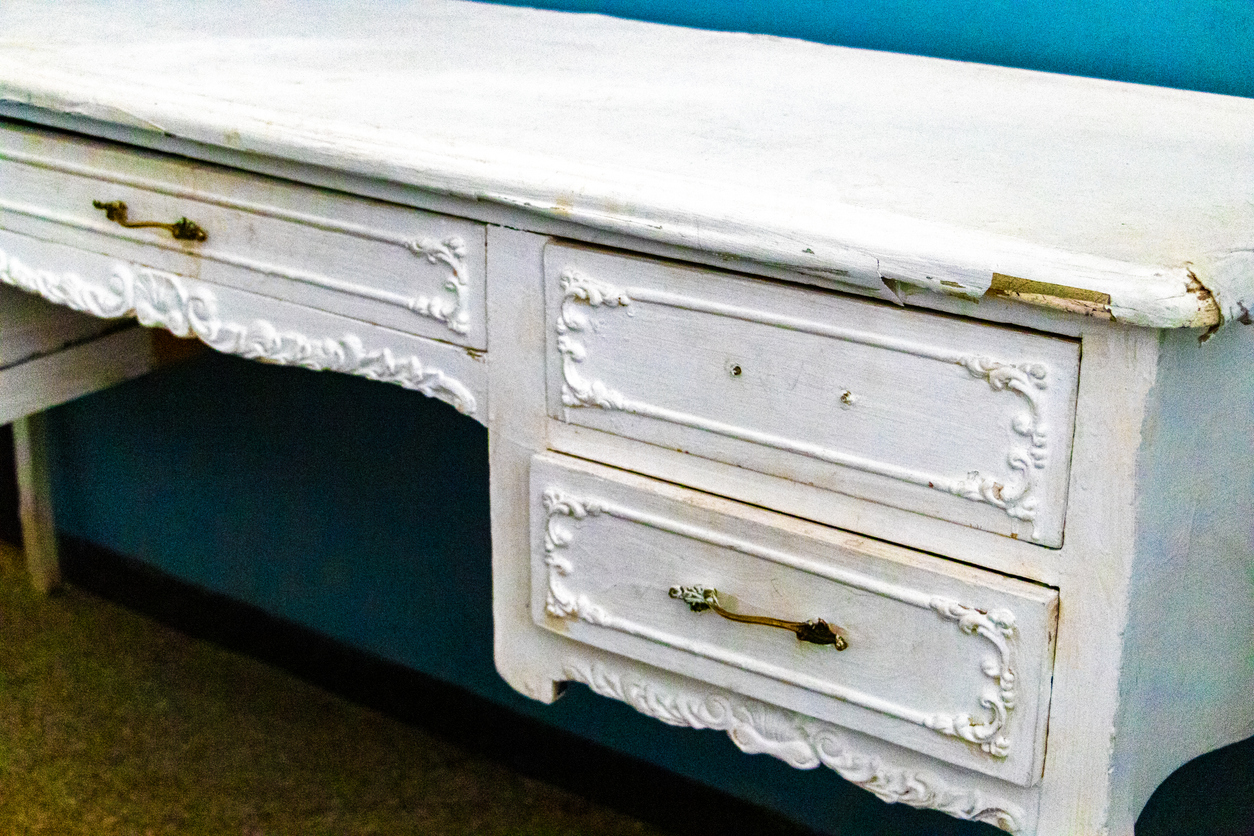
Buying old furniture is a smart financial move, but you also have to know what to look for so you don't bring home a disaster.
The Dry Rot Test: Check the bottom and back of wooden pieces. If the wood feels spongy, looks "powdery," or has a strange musty smell, it might have dry rot. Pass on these they’re hard to save.
Peeling & Veneers: Some older pieces have a thin layer of "pretty" wood (veneer) over a sturdy base. If it’s peeling slightly, it’s an easy fix with wood glue. If large chunks are missing, it might require a full professional restoration or it might be better to pass on it.
Check the "Bones": Don't worry about scratches or ugly paint that’s just surface level you can always paint it and turn it into something better. Look at the legs and joints. If the frame is solid, it might be worth the investment.
Expert "Hard Passes": Even pros like those featured in Martha Stewart say some things just aren't worth the gamble. Avoid anything upholstered (like mattresses or old sofas) because they can hide pests like bed bugs or deep odors you'll never get out. Also, skip vintage cribs or highchairs safety laws change constantly, and old slats or latches can be dangerous.
How to Style It (Without Living in Grandma’s Bedroom)
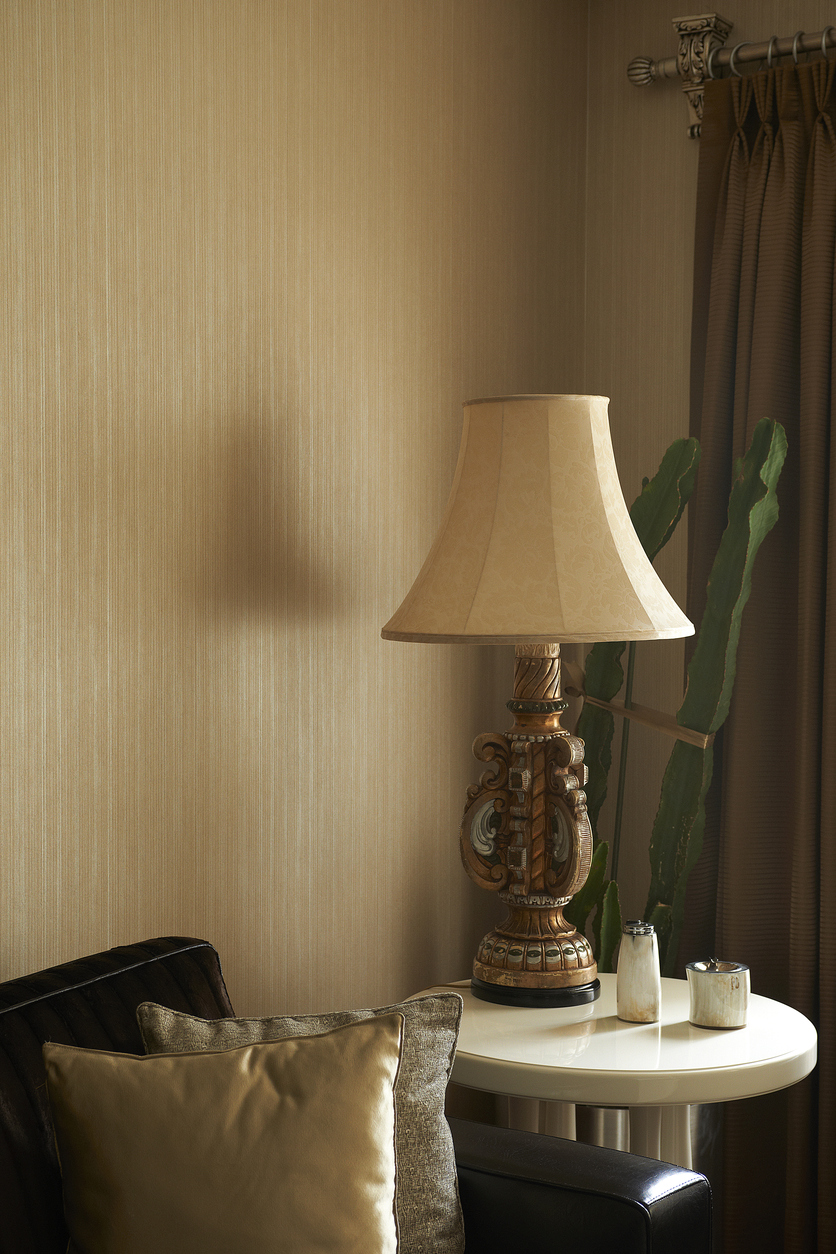
The biggest fear people have with antiques is that their house will end up looking like a museum or their grandmother’s spare room. The secret is The Mix.
The 80/20 Rule: Keep your big "anchor" pieces (like your sofa or bed frame) modern and clean. Then, bring in the soul with vintage accent pieces a 1950s sideboard, a 1920s trunk as a coffee table, or a funky antique mirror.
Update the Hardware: One of the easiest ways to modernize an old dresser is to swap out the handles. Putting sleek, matte black or brass knobs on an 80-year-old chest of drawers instantly makes it feel "2026."
Contrast Textures: Pair a rugged, aged wooden table with a sleek, modern metal chair. That tension between old and new is what gives a room character.
Where to Find the Best "Soul" Pieces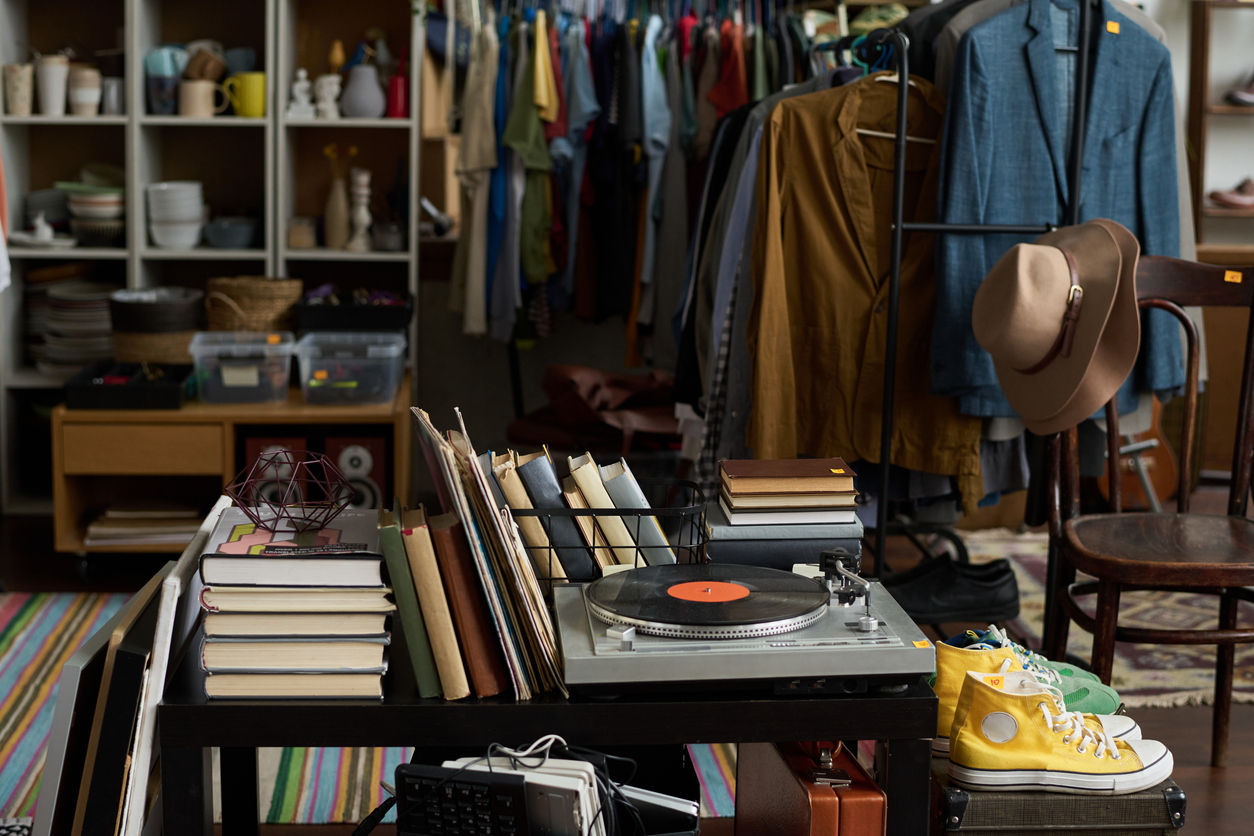
You don't need a massive budget to find high-quality items; you just need a little patience.
The Hunt: Start at Estate Sales,thrift stores or Flea Markets for the best prices. Antique Stores are great if you want someone else to do the "quality check" for you.
The Digital Dig: Facebook Marketplace is a goldmine in 2026. Set alerts for keywords like "solid wood," "mid-century," or "vintage" to catch the best deals before they're gone.
Why Vintage is the Ultimate Green Move
In 2026, styling a beautiful home shouldn’t have to come at the Earth's expense. Choosing vintage over "fast furniture" is basically the ultimate form of recycling. When you pick out a solid wood piece, you’re keeping bulky, cheap particle board out of our local landfills and cutting down on the massive carbon footprint that comes with mass-producing and shipping new items across the ocean. Plus, there’s a health side to it, too. Unlike brand-new furniture that can "off-gas" factory chemicals and glues into your living room, older furniture has already done all its venting. It’s a win for the environment, and it keeps your indoor air quality just as clean as your aesthetic.
Bottom Line: Your home should tell the story of who you are, not just what was on sale last Tuesday. By giving an old piece a new life, you aren't just saving money, you're giving your home a soul.
Top Mistakes Homeowners Are Making in 2026 (And How To Avoid Them)